
In the past two decades, the concept of “shadi” (marriage) has undergone a dramatic transformation in South Asia and among diaspora communities worldwide. Traditionally arranged by families through community networks, religious institutions, or neighborhood connections, marriages today are increasingly initiated online. The term “online shadi” now represents a growing cultural shift where digital platforms are facilitating lifelong partnerships, blending tradition with technology.
What is Online Shadi?
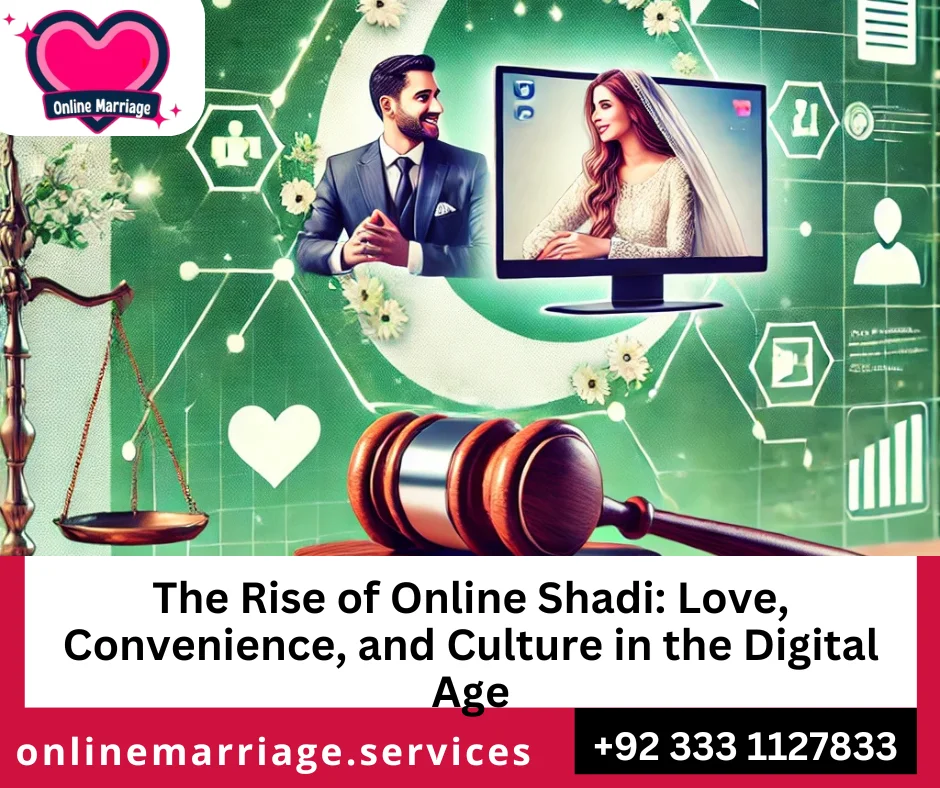
Online shadi refers to the use of digital platforms—websites and mobile apps—for finding potential marriage partners. Popular websites like onlinemarriage.services, Muslima, SingleMuslim, and others serve millions of users across the globe, offering customized matchmaking based on religion, caste, language, education, profession, and personal preferences.
These platforms are not just dating websites. Unlike Western-style dating apps, online shadi portals are usually designed with serious intentions: helping individuals and families find suitable life partners within cultural and religious frameworks.
Why Online Shadi is Becoming Popular
- Accessibility: People from remote areas or those living abroad can now connect with potential matches globally, breaking traditional geographic boundaries.
- Privacy and Control: Individuals and families can manage the process discreetly, filtering options according to specific criteria, and proceeding at their own pace.
- Changing Social Norms: As younger generations take a more active role in choosing their partners, online platforms give them the autonomy to explore options, while still involving families at later stages.
- Time and Convenience: In today’s fast-paced world, online matchmaking is faster than conventional methods, especially for professionals who may not have time for extended family search networks.
- COVID-19 Effect: The pandemic accelerated digital matchmaking, as physical meetings became difficult. Video calls, virtual rishta meetings, and online events replaced traditional setups temporarily—but some of these changes have stuck.
Balancing Tradition and Modernity
Despite the convenience, online shadi platforms still cater to traditional values. Many profiles are created by parents or elders on behalf of their children. Religious compatibility, caste, and family background still play a major role in most South Asian cultures. Some websites even offer religious filtering tools—like halal verification or sect-based matching for Muslims, or caste options for Hindus and Sikhs.
However, there is a growing segment of users who prioritize personal compatibility, education, and emotional connection over conventional criteria. This shift is particularly visible among urban, educated youth.
Challenges and Concerns
While online shadi offers many benefits, it also comes with challenges:
Fraud and Misrepresentation: Fake profiles, misrepresented information, or financial scams are a risk. Many platforms now use ID verification, video interviews, and AI tools to combat these issues.
Family Pressure: Some users may face pressure from families to conform to traditional standards, even if they are looking for more modern partnerships.
Cultural Misunderstandings: For diaspora communities, balancing Western values with traditional expectations can be difficult during the matchmaking process.
The Future of Online Shadi
As technology continues to evolve, the future of online shadi looks increasingly sophisticated. AI-based matchmaking, virtual reality introductions, and culturally aware relationship counseling are just some of the innovations on the horizon. Apps are becoming more inclusive too—catering to second marriages, divorced individuals, and even those with non-traditional orientations in some markets.
In conclusion, online shadi is more than just a digital trend—it’s a reflection of how modern societies are adapting ancient traditions to the digital world. While it does not replace the depth and beauty of cultural matchmaking, it offers a practical, scalable, and often empowering tool for finding lifelong companionship in an increasingly connected world.